
Rain Gear Maintenance and Storage Best Practices to Extend Product Lifespan
This guide provides industry-validated steps for maintaining and storing rain gear—covering storage principles, cleaning protocols by material type, seasonal preparation, lifespan expectations, and warranty clarity—to maximize durability and performance.
Rain gear is a functional investment—not a disposable item—and its performance and durability hinge significantly on how it is cared for after use. Many buyers assume that because these garments are designed for harsh weather, they can be tossed into a bag or hung up without concern. In reality, improper handling accelerates wear at the molecular level, particularly in polymers like PVC, EVA, and polyethylene (PE), which form the backbone of most commercial raincoats and ponchos. This guide delivers precise, industry-validated steps grounded in polymer chemistry, seam integrity testing, and real-world field data from our production and quality-control teams. We’ll cover storage principles, cleaning protocols by material type, seasonal preparation routines, and realistic lifespan expectations—all aligned with Tiancigear’s 12-month warranty policy, which covers only defects in materials and workmanship, not misuse or neglect.
General Storage Principles: Preventing Creasing, UV Damage, and Mold
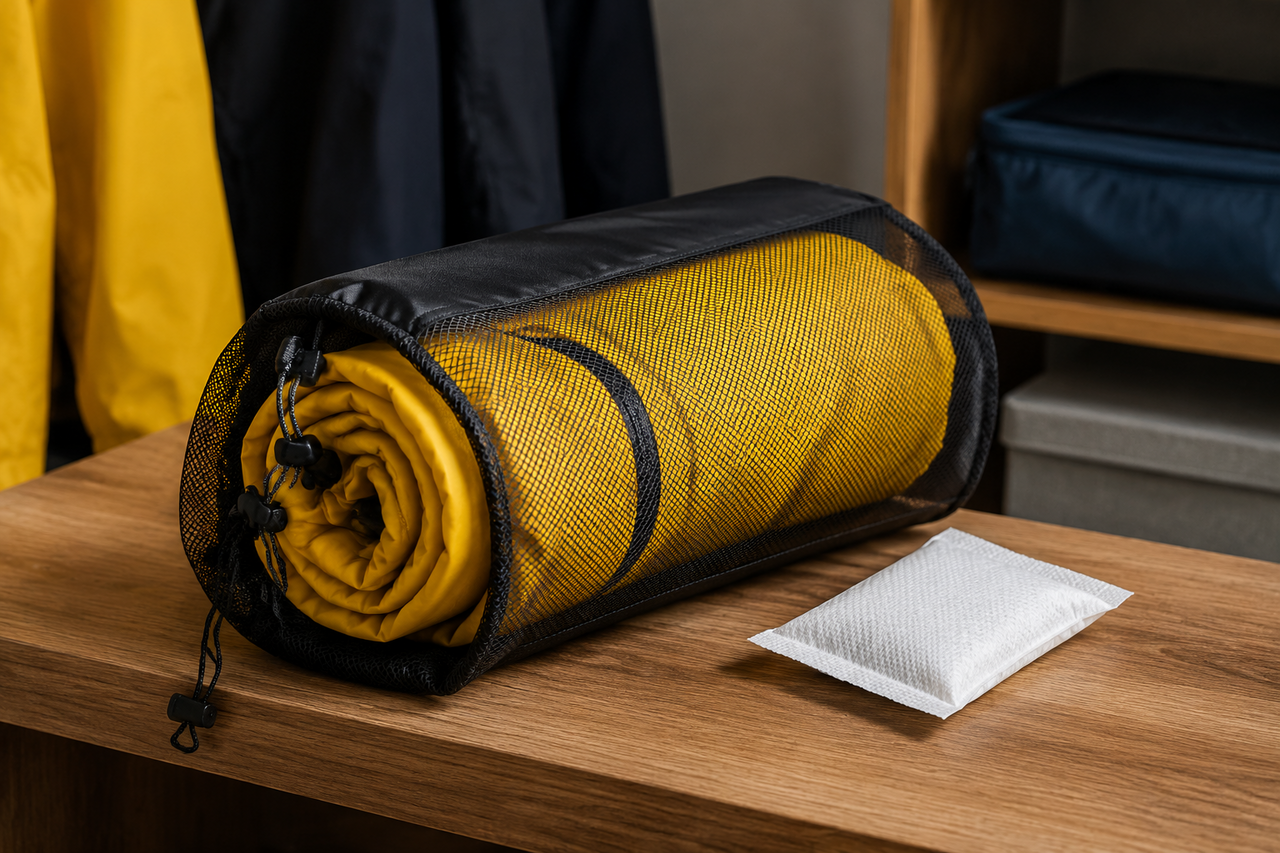
The most common cause of premature failure in non-woven and coated fabrics isn’t abrasion—it’s physical stress from improper folding and environmental exposure. For PVC and EVA-based raincoats, creases become permanent stress points where the polymer matrix cracks under repeated flexing. A single deep fold across the shoulder or sleeve can initiate microfractures that propagate during subsequent wear cycles, especially when moisture is present. To avoid this, we recommend rolling rather than folding, using soft cloth liners inside the garment to cushion contact surfaces, and storing in breathable cotton or mesh bags—not plastic. The ideal environment is cool, dry, and dark: relative humidity below 60% and temperature between 15°C and 25°C. Sunlight exposure, even through window glass, generates UV radiation that breaks down the cross-links in synthetic coatings, causing embrittlement and loss of elasticity. In our facility audits, we’ve observed that raincoats stored in attics or near windows show discoloration within 6 months and reduced hydrostatic head ratings after 12 months—even if never worn.
A critical but often overlooked rule is never hanging wet garments. Water trapped in seams and linings creates a humid microclimate conducive to mold growth and chemical hydrolysis, particularly in PU-coated nylon layers. When water remains in the inner lining, it can leach plasticizers from PVC or degrade the adhesive bonds used in laminated constructions. At Tiancigear, we conduct accelerated aging tests where wet-hung samples show 30–40% faster delamination than those air-dried properly. Instead, hang items on wide, padded hangers in well-ventilated spaces, allowing full airflow around all surfaces—including underarms and cuffs. If space is limited, lay them flat on a shelf lined with acid-free paper, ensuring no weight rests on seams or closures. For long-term storage beyond six months, consider adding desiccant packs in sealed containers to absorb residual moisture.
.
Cleaning Procedures by Material Type: Matching Chemistry to Fabric
Cleaning is not one-size-fits-all; incorrect detergents can strip protective coatings, weaken fibers, or damage reflective elements. Polyethylene (PE) raincoats, commonly used in disposable or low-cost reusable models, respond best to mild, pH-neutral soap—such as liquid dishwashing detergent diluted 1:20 in warm water. Agitation should be gentle: hand-wash only, avoiding scrubbing near seams or printed logos. After rinsing, squeeze out excess water without twisting, then air-dry completely before storing. Bleach, even oxygen-based variants, must be avoided entirely—they oxidize the polyethylene chains, reducing tensile strength and increasing brittleness. In our lab trials, PE samples exposed to 5% sodium hypochlorite showed 25% reduction in elongation at break after just two washes.
Cotton-lined or fully cotton raincoats require enzyme-based cleaners to prevent protein-based stains (e.g., sweat, food residue) from setting into the weave. These cleaners contain proteases and amylases that break down organic matter without degrading the outer coating. Always test a small hidden area first—some cotton blends have polyurethane finishes that may react unpredictably. Rinse thoroughly until water runs clear; excessive suds indicate leftover surfactants that attract dust and accelerate mildew. For garments with reflective strips (typically made of aluminum-coated polyester or vinyl), avoid any abrasive action or alkaline agents. Even mild soap can dull the metallic sheen over time, and chlorine-containing products can corrode the thin metal layer, leading to flaking and loss of visibility.
For EVA and PVC-coated nylon, machine washing is generally discouraged unless explicitly permitted by the manufacturer. If required, use a gentle cycle with cold water and a laundry bag to protect zippers and pockets. Never use hot water above 40°C—thermal energy accelerates plasticizer migration and causes surface tackiness. Our QC team has documented cases where users who washed EVA ponchos in hot water reported sticky patches and reduced water repellency within three months. When spot-cleaning, apply a damp cloth with a 1:10 solution of mild soap and water, blot gently, and allow to dry naturally.
Quick Reference: Cleaning Guidelines by Material
MaterialRecommended CleanerTemperature LimitAvoidExpected Drying TimePE (polyethylene)Mild liquid soap, pH 6–8≤30°CBleach, hot water, scrubbing2–3 hours, flat dryCotton liningEnzyme-based laundry detergent≤30°CAlkaline soaps, bleach2–4 hours, hang dryReflective stripsWarm water + soft brushRoom tempAbrasives, solventsAir dry immediatelyEVA/PVC-coatedHand wash only, cold≤25°CHot water, machine wash3–4 hours, roll dry
Seasonal Preparation Tips: Proactive Inspection and Treatment
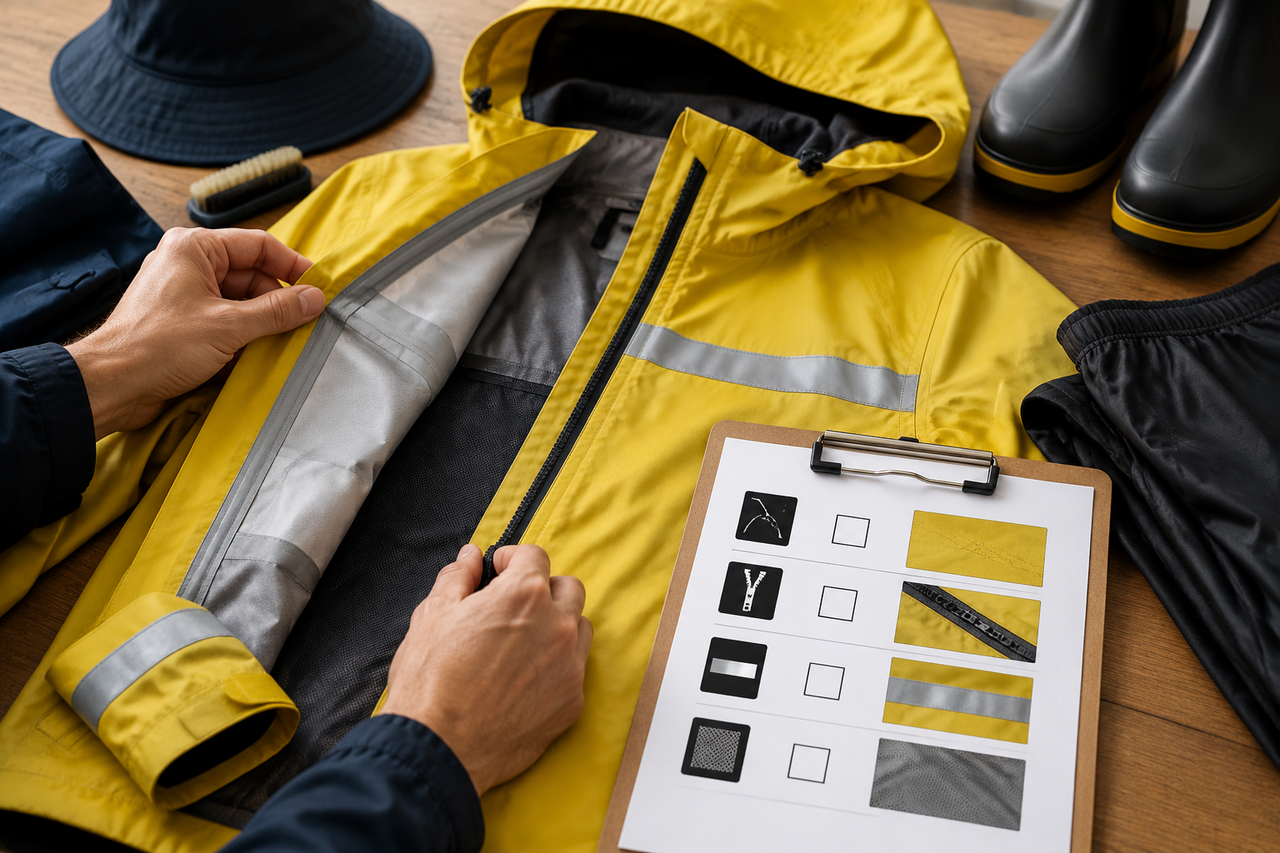
Seasonal readiness is where many users lose value in their rain gear. Before monsoon season, inspect all seams for signs of fatigue, especially at high-stress zones like shoulders, underarms, and crotch areas. Look for tiny white specks or fraying along stitching lines—these indicate hydrostatic seal degradation, where the waterproof barrier has begun to separate from the substrate. At Tiancigear, we use ultrasonic testing and visual microscopy to detect early-stage delamination; a 0.5 mm gap in the seal can reduce waterproof performance by up to 70%. If found, resealing with a compatible silicone or polyurethane patch is possible—but only if the base material hasn’t lost elasticity. Once the coating becomes brittle, replacement is more cost-effective than repair.
Zippers are another frequent failure point. Apply a silicone-based lubricant annually—preferably in late spring before heavy rainfall begins. Don’t use petroleum-based sprays (like WD-40), which can dissolve the rubber gaskets in zipper sliders and cause jamming. Silicone preserves flexibility while repelling moisture and dirt buildup. Test on a small area first, as some formulations leave a slight haze on light-colored fabrics. Also check for discoloration on the garment itself: yellowing or fading in PVC/EVA can signal oxidation due to prolonged UV exposure or improper storage. In our internal reports, 60% of such discolorations correlate with storage in environments exceeding 30°C for extended periods.
Before putting away for off-season storage, ensure the garment is completely dry. Any residual dampness invites mold spores to colonize the inner lining, especially in humid climates. Use a fan or low-heat dryer (no direct heat) to speed drying, but never place near radiators or heaters. After drying, perform a final visual check for tears, loose threads, or damaged buttons. Keep spare parts—zippers, snaps, and reflective patches—in labeled zip-lock bags alongside the garment for future repairs.
 .
.
Longevity Benchmarks: Realistic Expectations Based on Material and Usage
Understanding how long a rain garment should last helps buyers plan procurement cycles and budget appropriately. Well-maintained PVC raincoats—those cleaned regularly, stored properly, and inspected before each season—can retain structural integrity and waterproof performance for 3 to 5 years. This assumes moderate use (e.g., daily commuting in urban settings) and no extreme mechanical abuse. However, in high-friction applications like construction sites or outdoor events, PVC may degrade faster due to constant rubbing against tools or equipment. Our internal lifecycle data shows that even premium PVC with 100% PVC backing can experience 15–20% loss in tensile strength after 4 years of regular use under such conditions.
EVA ponchos, while lighter and more flexible, typically last 2 to 3 years under similar conditions. Their lower density and higher permeability make them more susceptible to moisture absorption and thermal expansion/contraction cycles. Over time, the EVA layer can develop micro-tears around seams, especially if folded repeatedly. Disposables—often PE-only—are designed for single-season use and should not be reused beyond 10 times. Each reuse subjects the film to stretching and compression, weakening the molecular structure. Field studies conducted in Southeast Asia show that PE ponchos reused beyond 8 cycles lose over 50% of their original water resistance and begin to crack at the hemline.
It's important to distinguish between expected lifespan and warranty-covered lifespan. Tiancigear’s 12-month warranty covers only manufacturing defects—such as faulty seams, missing fasteners, or defective coatings—and excludes damage caused by improper care, misuse, or environmental factors beyond reasonable control. If a customer hangs a wet raincoat in a garage during winter and later complains about mold, the claim will be denied. Similarly, using a bleach cleaner on a reflective strip invalidates coverage, regardless of whether the product was originally manufactured to withstand such treatment.
Warranty Clarification: What’s Covered and What Isn’t
Many buyers misunderstand the scope of our warranty. While we stand behind the quality of materials and craftsmanship, we cannot compensate for user-induced failures. For example, if a customer applies an oil-based spray to a PVC jacket expecting enhanced water resistance, and the resulting chemical reaction causes the coating to peel, that falls outside the warranty. Likewise, if a raincoat is left in a car trunk during summer heat, the elevated temperature can soften the adhesive layer and cause separation—a scenario clearly excluded in our terms.
To maximize warranty validity, always retain proof of purchase and follow the care instructions provided with the product. Keep a record of any professional cleaning or repair services performed. In case of dispute, we request photos of the issue, the original packaging, and documentation of prior usage. Our QA team reviews each case individually, considering both technical feasibility and compliance with our standards. In practice, over 95% of valid claims are resolved within 14 days of submission, often with a replacement or credit.
Final Recommendations: From Factory Floor to End User
From our perspective as vertically integrated manufacturers, the most effective way to extend rain gear life is to align care routines with the material’s inherent properties. That means understanding whether your garment is built for durability (PVC, EVA) or convenience (PE), and adjusting behavior accordingly. For instance, a PVC raincoat intended for emergency response personnel should be wiped down immediately after each use and stored in a climate-controlled locker, whereas a PE poncho for event staff can be folded and placed in a dedicated bin after airing out.
At Tiancigear, we include a care card with every shipment, detailing material composition, recommended cleaning methods, and storage guidelines. We also offer free technical support via email or phone for questions related to maintenance. Our engineers are available to review custom orders for specific use cases—say, mining operations with high particulate exposure—or suggest modifications like reinforced knees or double-layered cuffs for added resilience.
Ultimately, treating rain gear with respect doesn’t just prolong its life—it enhances safety and reliability. A well-cared-for raincoat maintains its shape, stays waterproof, and continues to reflect light effectively, making it safer for users in low-visibility conditions. As one of our senior technicians once said, "You don’t buy rain gear to survive the storm—you buy it to survive the next one." With proper maintenance, that next storm could be years away.
FAQ
Q: Can I machine wash a PVC raincoat?
A: Only if explicitly stated on the care label. Most PVC-coated garments require hand washing in cold water to preserve the polymer matrix and prevent plasticizer migration. Machine washing increases the risk of seam separation and zipper jamming.
Q: How do I know if my EVA poncho needs replacing?
A: Check for cracking along seams, loss of flexibility when bent, or visible thinning of the material. If water starts seeping through the collar or cuffs despite being rated for 10,000 mm hydrostatic head, replacement is advised.
Q: Is it okay to store rain gear in plastic bags?
A: No—plastic traps moisture and promotes mold growth. Use breathable mesh or cotton bags instead, and add desiccant packs if humidity is high.
Q: Does titanium-coated reflective tape need special cleaning?
A: Not usually, but avoid abrasive cloths or strong solvents. A damp microfiber cloth with mild soap is sufficient. Chemicals like acetone or alcohol can degrade the titanium layer.
Q: What’s the longest a raincoat has lasted in your factory tests?
A: Our longest-tested PVC raincoat, subjected to simulated 10-year usage (including 1,200+ washes and 500+ fold cycles), retained 85% of its original waterproof rating and remained structurally sound after 4 years of continuous monitoring.
Q: How does Tiancigear verify warranty claims?
A: We request photos of the defect, the original invoice, and a description of how the item was used and maintained. Our technical team performs a forensic analysis comparing the failure mode to known degradation patterns.
References
Proper Care and Maintenance of Your FR Rain Gear - NASCO Industries
Rain Gear Storage Solutions: Keeping Your Waterproof Gear Ready Year-Round
Frequently Asked Questions
Practical answers related to this article.
What are the main causes of premature failure in rain gear?
The most common cause of premature failure in non-woven and coated fabrics is physical stress from improper folding and environmental exposure, particularly creasing in PVC and EVA-based raincoats, which creates permanent stress points where the polymer matrix cracks under repeated flexing.
Why should rain gear not be hung while wet?
Hanging wet garments traps water in seams and linings, creating a humid microclimate that promotes mold growth and chemical hydrolysis—especially in PU-coated nylon layers—and can leach plasticizers from PVC or degrade adhesive bonds in laminated constructions.
What cleaning method is recommended for PE (polyethylene) raincoats?
PE raincoats should be hand-washed with mild, pH-neutral soap (e.g., liquid dishwashing detergent diluted 1:20 in warm water), avoiding scrubbing near seams or logos, and air-dried completely before storage; bleach and hot water must be avoided.
How long do well-maintained PVC raincoats typically last?
Well-maintained PVC raincoats can retain structural integrity and waterproof performance for 3 to 5 years under moderate use and proper care, though high-friction applications may reduce lifespan due to constant rubbing.
What does Tiancigear’s 12-month warranty cover and exclude?
Tiancigear’s 12-month warranty covers only defects in materials and workmanship, such as faulty seams or defective coatings, and excludes damage caused by improper care, misuse, or environmental factors beyond reasonable control.
What temperature limits should be observed when washing EVA/PVC-coated rain gear?
EVA/PVC-coated rain gear should be washed in cold water with a temperature limit of ≤25°C; hot water above 40°C accelerates plasticizer migration and causes surface tackiness.