Industry Insights

25 articles

Industry Insights

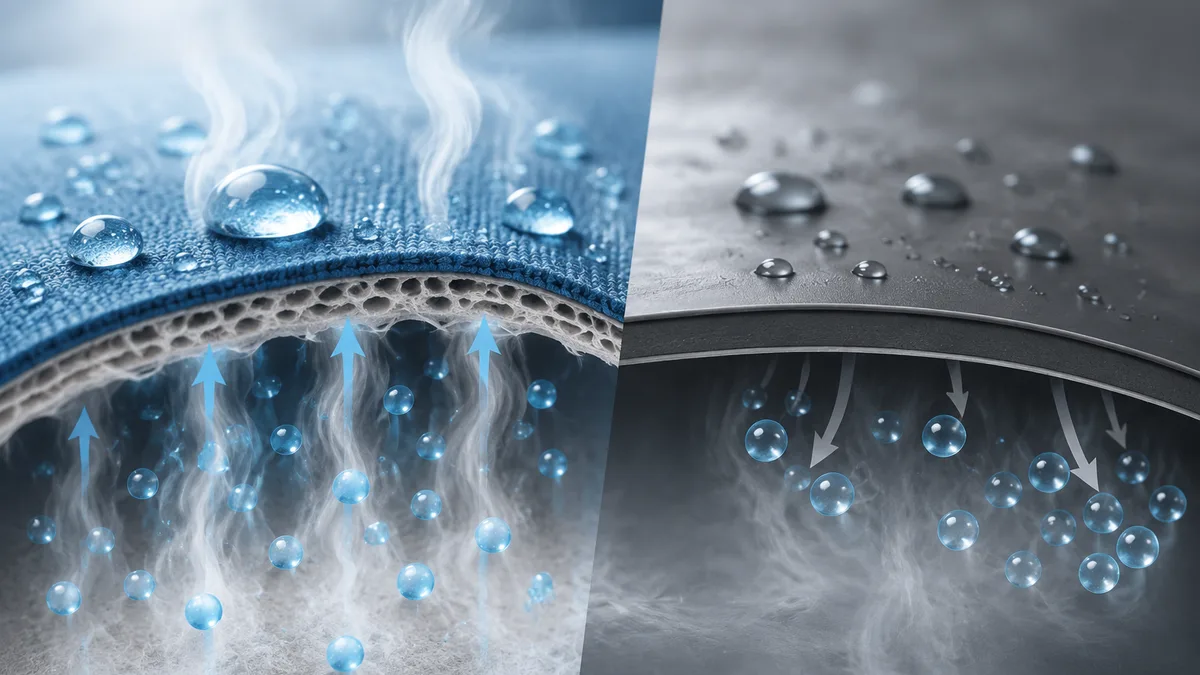
Comparing PVC and EVA Materials for Camouflage Raincoat Printing
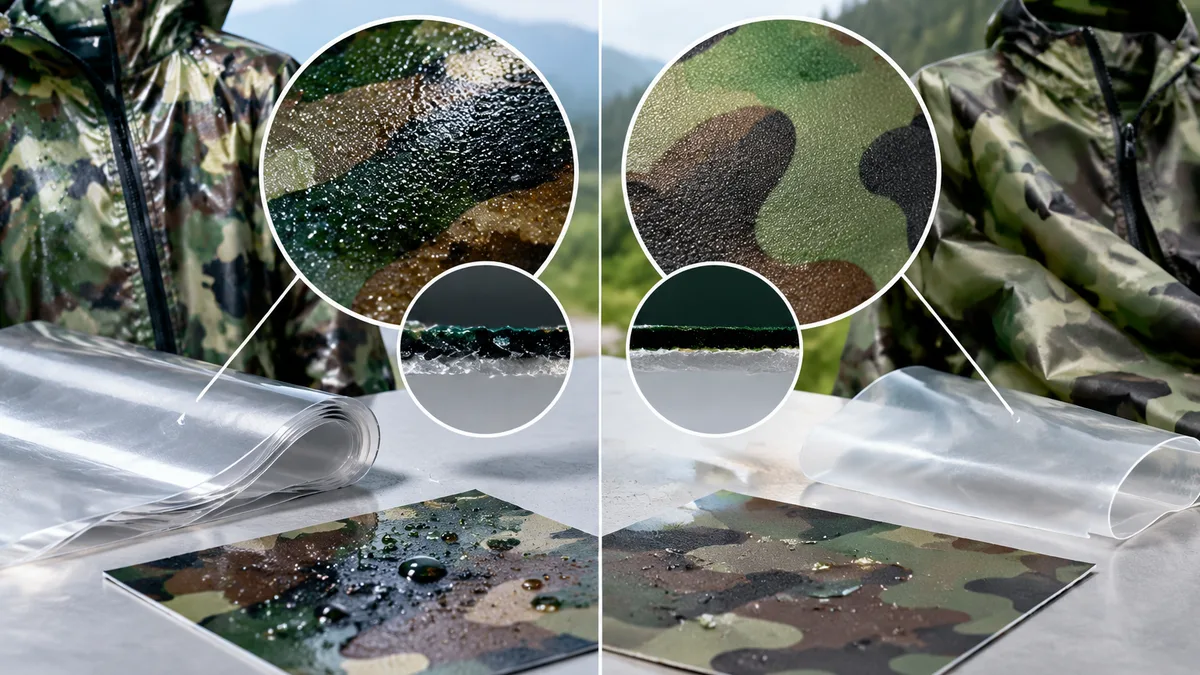
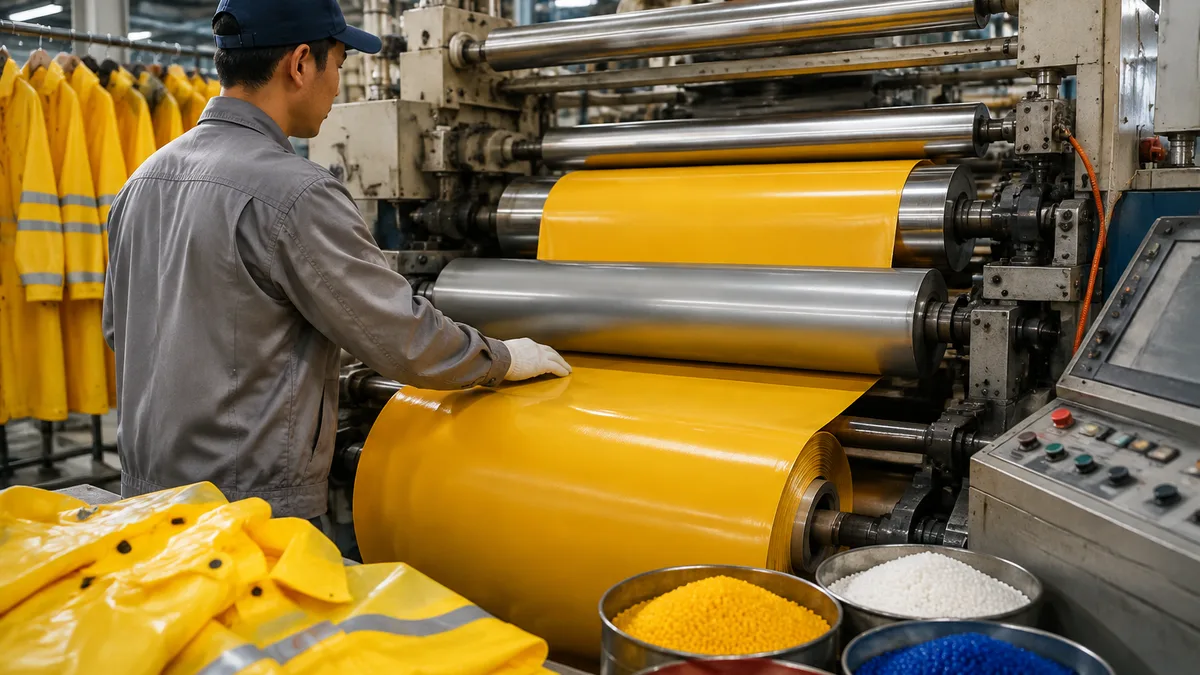
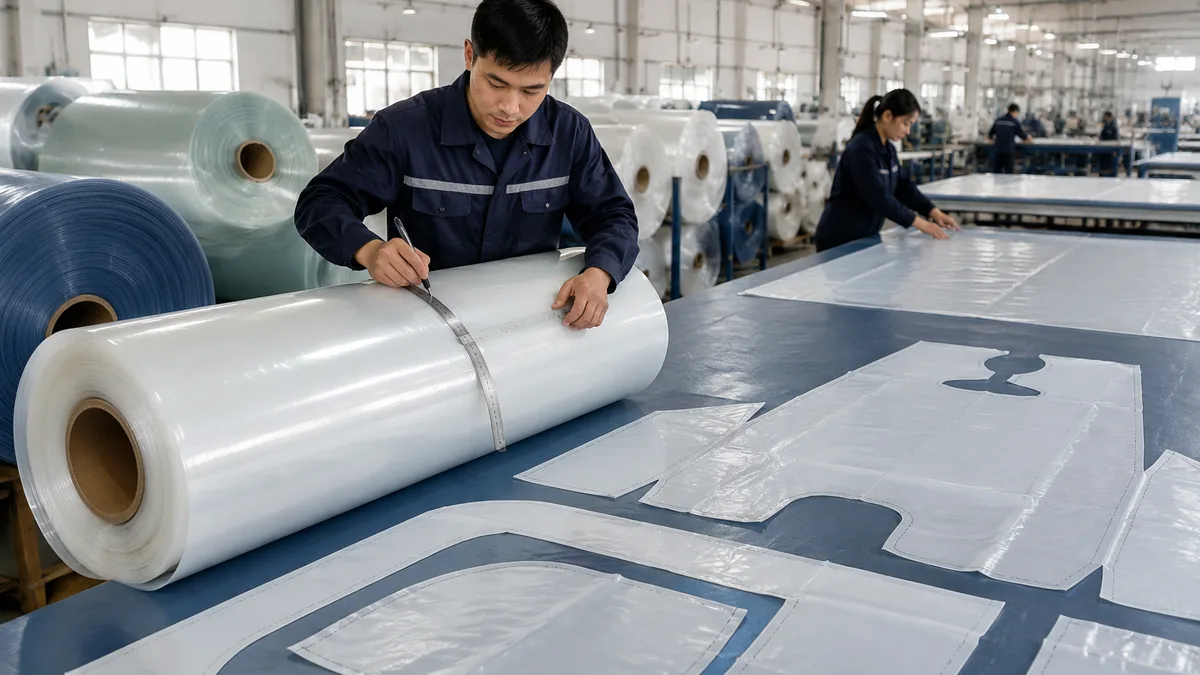
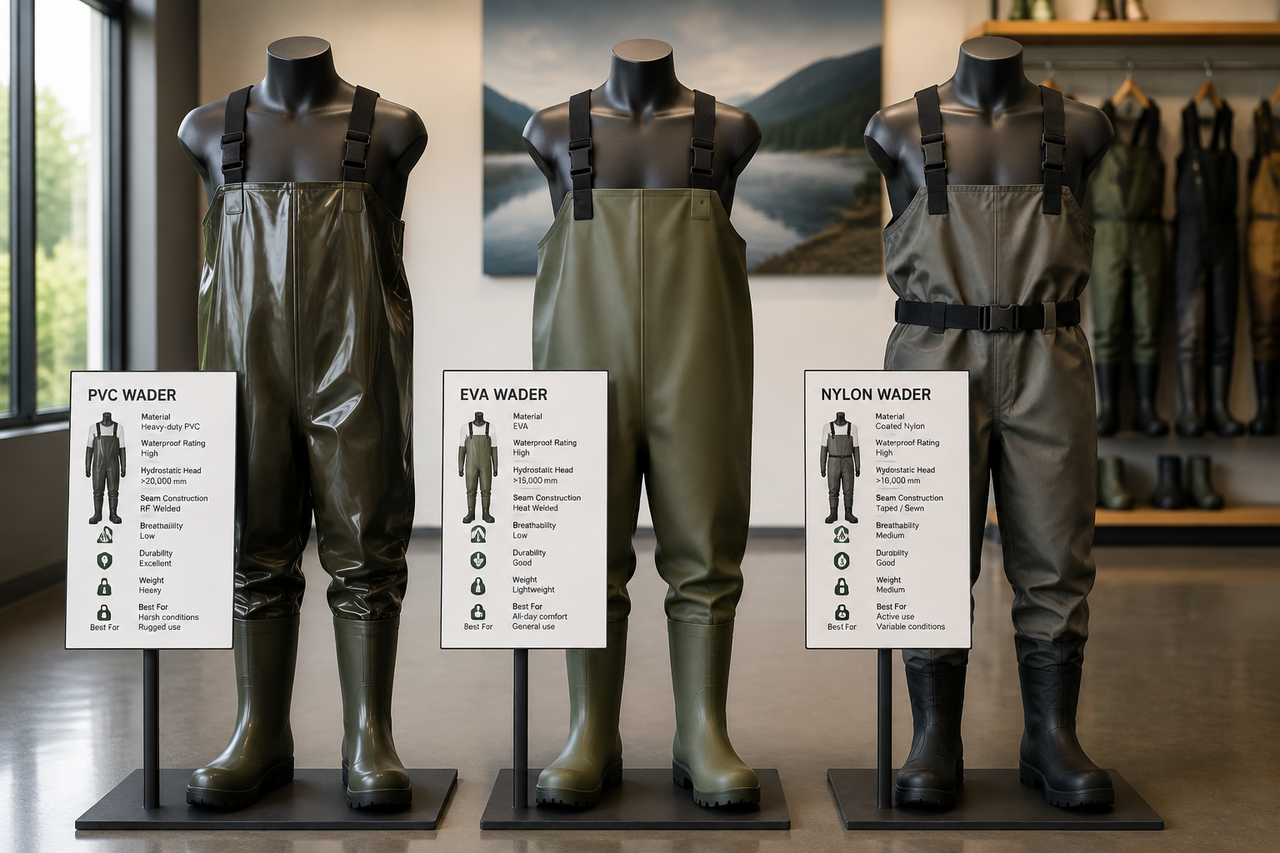
PVC and EVA are both printable polymer films, but their molecular structures create distinct outcomes for camouflage decoration, flexibility, and durability under outdoor conditions. Understanding how each material affects print adhesion, flexibility, and field performance helps you source raincoats that match your buyers' performance requirements and end-use applications.

October 29, 20267 min
PVCEVAcamouflage printing
Industry Insights

What Documents Should You Request Before Importing Raincoats from a China Factory?

Before transferring the first deposit to import raincoats from China, you need eight specific documents that separate transparent, auditable production systems from those relying on verbal assurances. These documents cover material safety, regulatory compliance, and factory credibility—protecting your investment from costly discoveries of missing certifications, substandard materials, or undocumented production processes after goods arrive.

September 12, 20266 min
importingcompliancequality control
Industry Insights

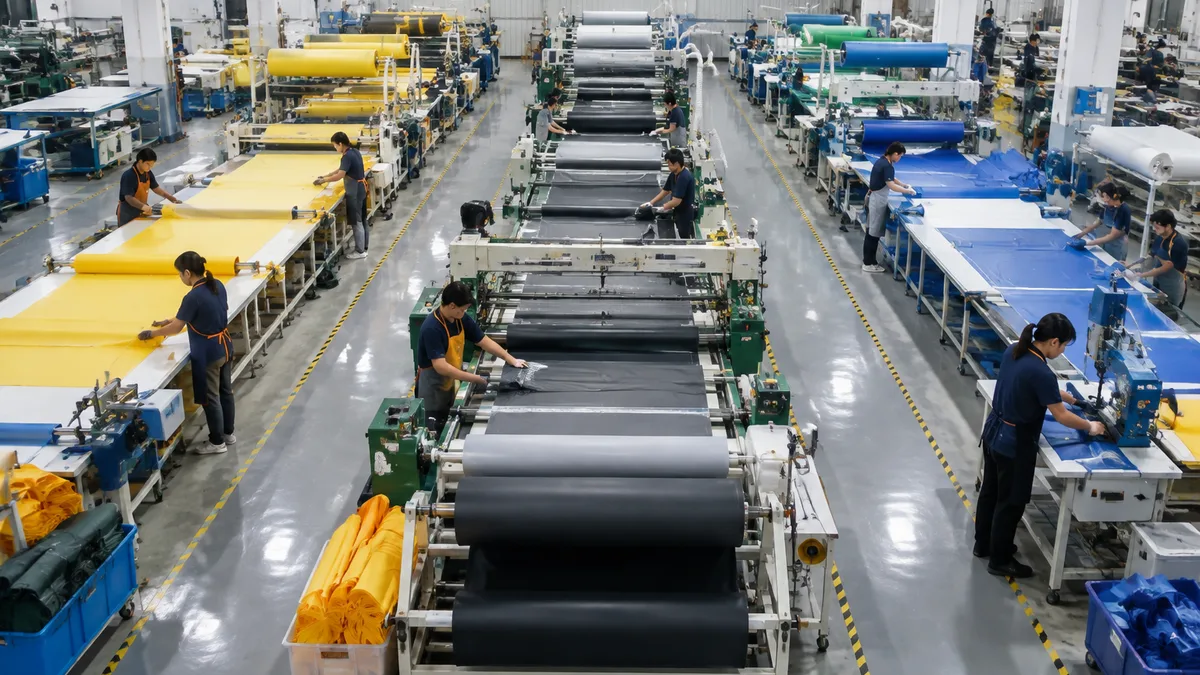
How to Verify a China Raincoat Factory's Production Capacity Before Placing a Bulk Order

Production capacity determines whether a factory can absorb demand spikes, maintain seam consistency across batches, and ship on time. Learn which metrics matter, what documents to request, and how to spot red flags before committing to a bulk raincoat order.

September 6, 20267 min
sourcingmanufacturingquality control
Industry Insights

What Is the Minimum Order Quantity for Custom PVC Raincoats with Reflective Strips?

The minimum order quantity for custom PVC raincoats with reflective strips at Tiancigear is 500 pieces for standard designs and 1,000 pieces for fully custom designs. This MOQ is determined by the setup costs of masterbatch preparation, logo printing, and reflective tape application stages.

August 31, 20269 min
PVC raincoats moqreflective strips raincoatscustom manufacturing
Industry Insights

How Breathable Should a Rain Poncho Be for Electric Scooter Commuters? MVTR Standards Explained

Electric scooter riders face unique comfort challenges during rainy commutes. This guide explains MVTR breathability standards, compares PVC, EVA, and breathable polyester materials, and helps OEM buyers match fabric performance to market segments—from budget urban commuters to premium year-round riders.

August 25, 20269 min
rain poncho supplierbreathable fabric rain coatpolyester rain coating
Industry Insights

What 'Factory-Direct' Really Means for B2B Rain Gear Buyers—Beyond Just Lower Prices

Factory-direct sourcing delivers more than cost savings for B2B rain gear procurement. Vertical integration removes information asymmetry, accelerates design iteration, reduces lead time variability, and provides supply chain transparency that trading companies cannot match—advantages that often outweigh the twelve to twenty-five percent price reduction.

August 21, 20267 min
B2BManufacturingProcurement
Industry Insights

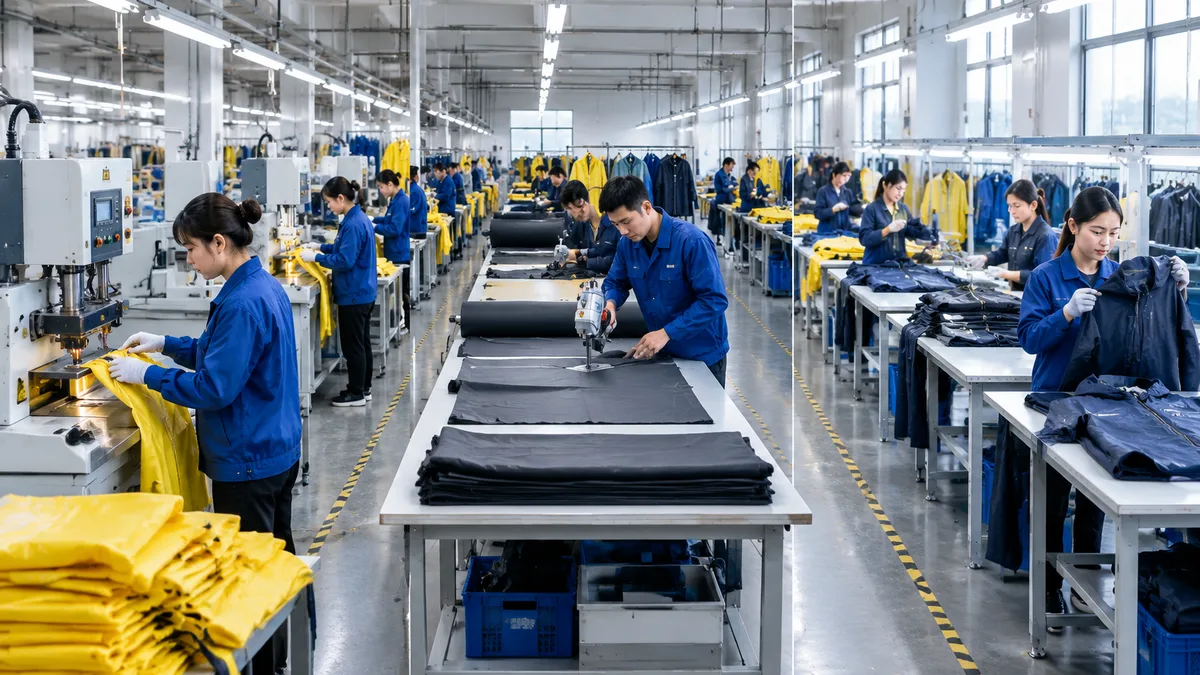
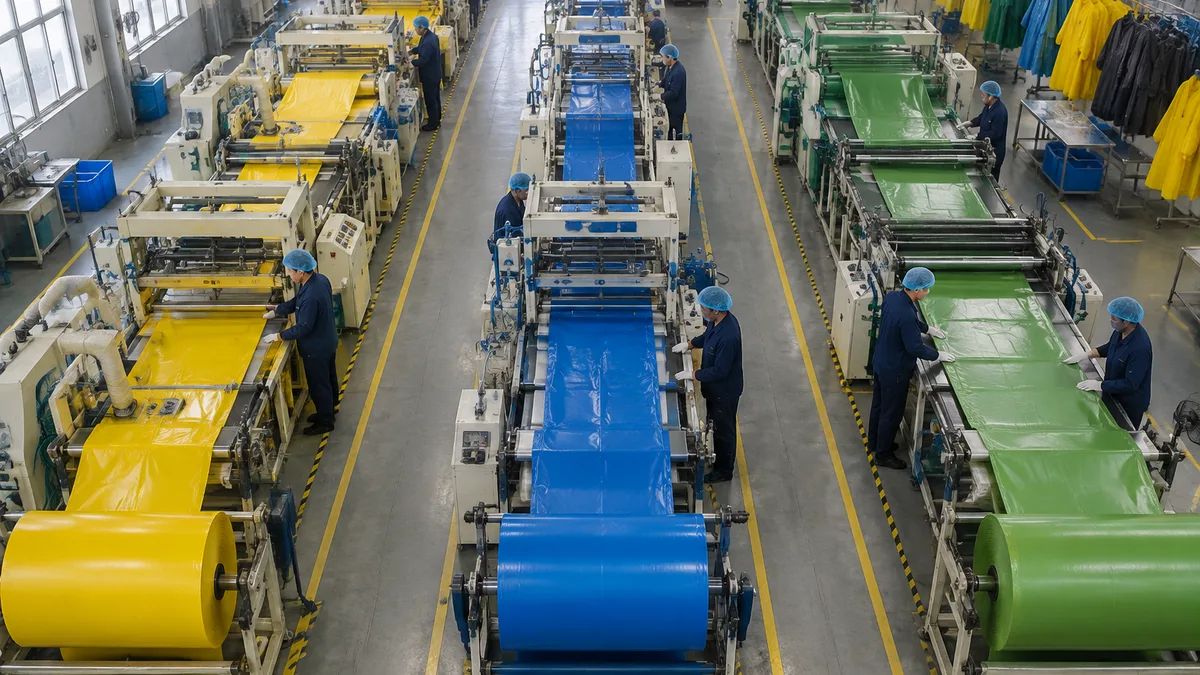
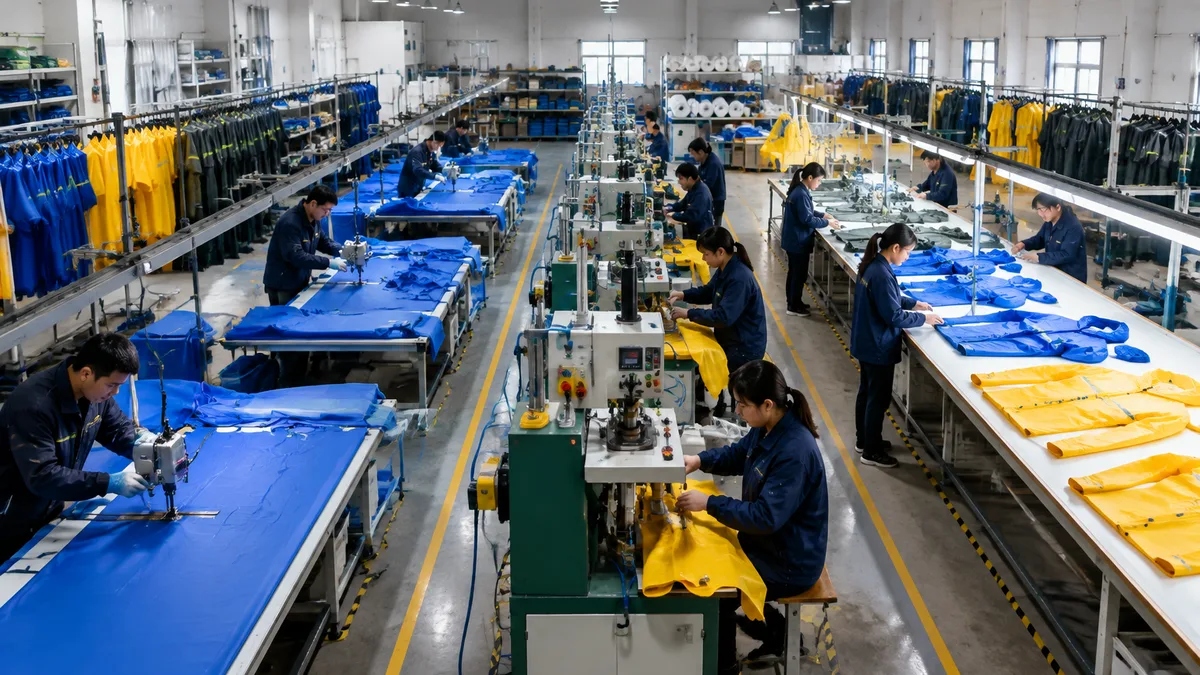
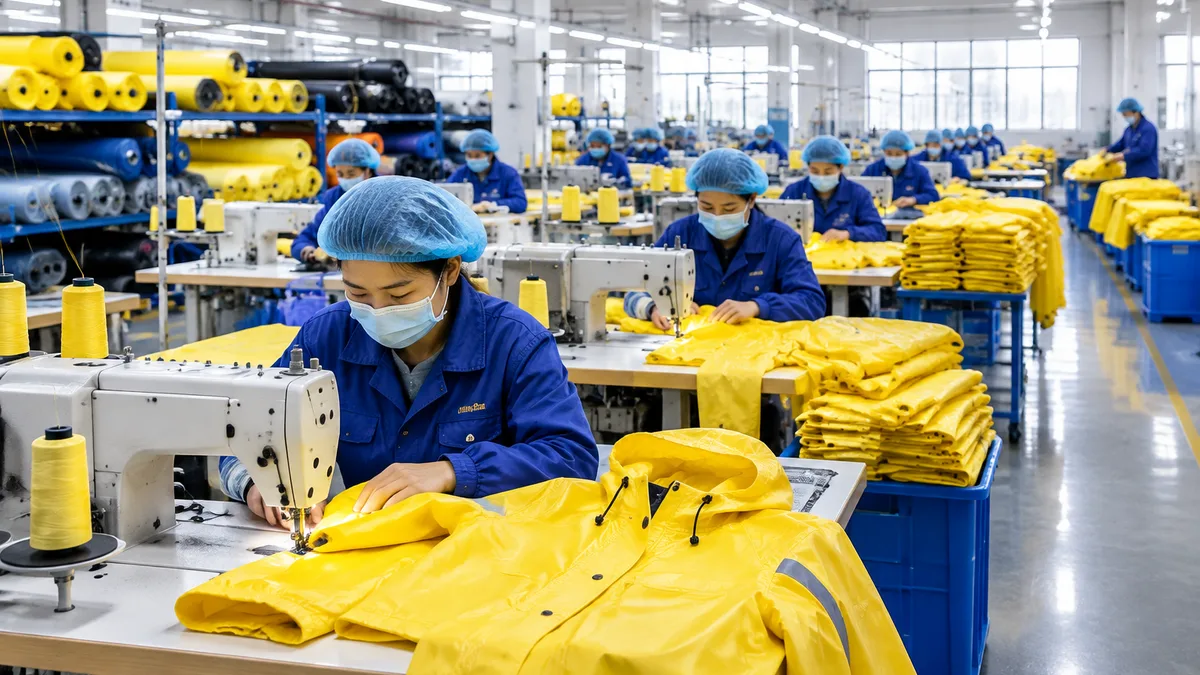
How Tiancigear's 3-Production-Line Facility Enables Consistent Quality and Scalable OEM Output

A factory's physical layout, the number of independent production lines it runs, and the way quality checkpoints are woven into each stage determine whether a 20,000-piece order ships on time with consistent seam strength, or whether it arrives three weeks late with mixed welding quality across cartons.

August 20, 202614 min
OEM manufacturingproduction infrastructurequality control
Industry Insights

What MOQ and Lead Time Should E-Commerce Sellers Expect for Private Label Electric Bike Rain Ponchos?

Semi-custom electric bike rain ponchos start at 500 pieces with 25-30 day lead times, while fully custom designs require 1,000+ pieces and 35-40 days. Learn how material choice, seam type, and compliance testing affect minimums and production schedules.

August 19, 20269 min
MOQlead timeprivate label
Industry Insights

Why Seam Sealing Methods Matter More Than You Think for Rain Gear Durability and Performance

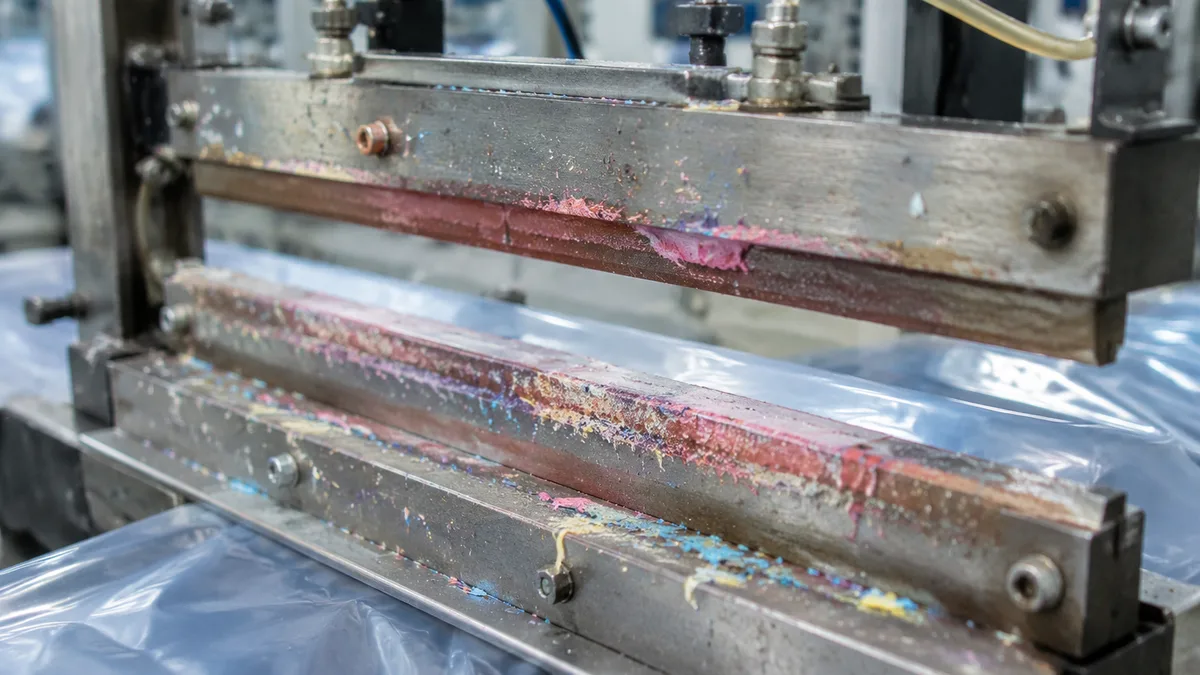
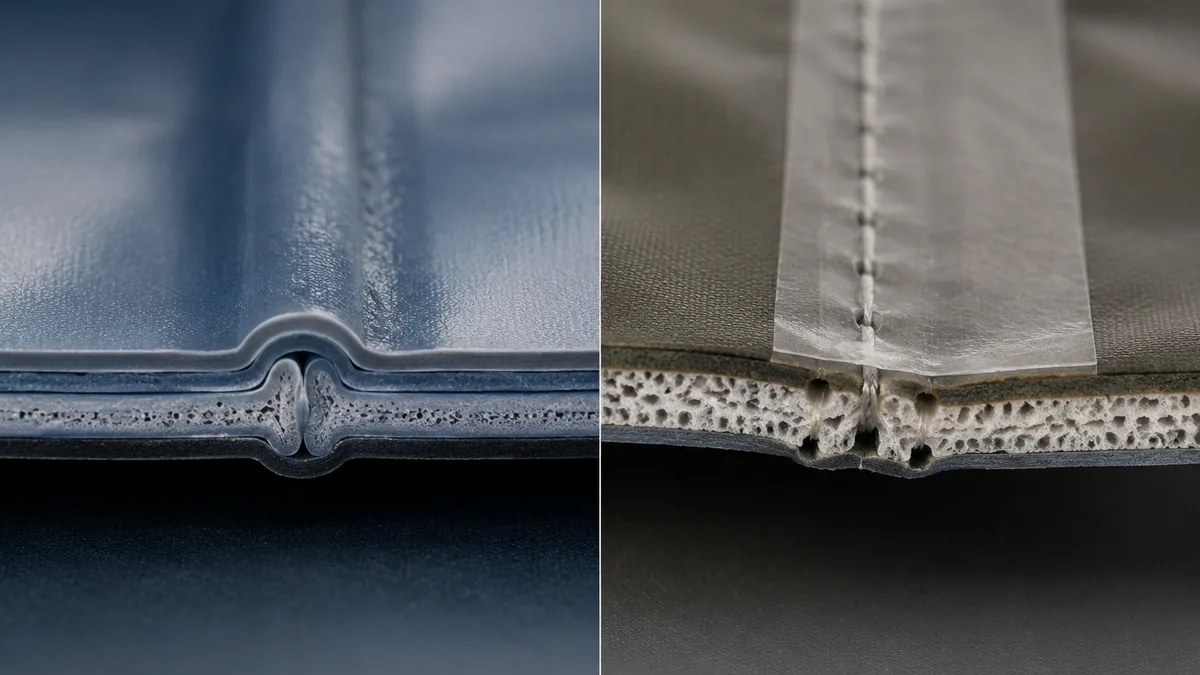
The seam is where rain gear dies first. In field returns and QC rejection logs, seam failure accounts for the majority of waterproofness complaints, and the root cause almost always traces back to the sealing method chosen during production.

August 18, 202610 min
seam sealingrain gearwaterproof testing
Industry Insights

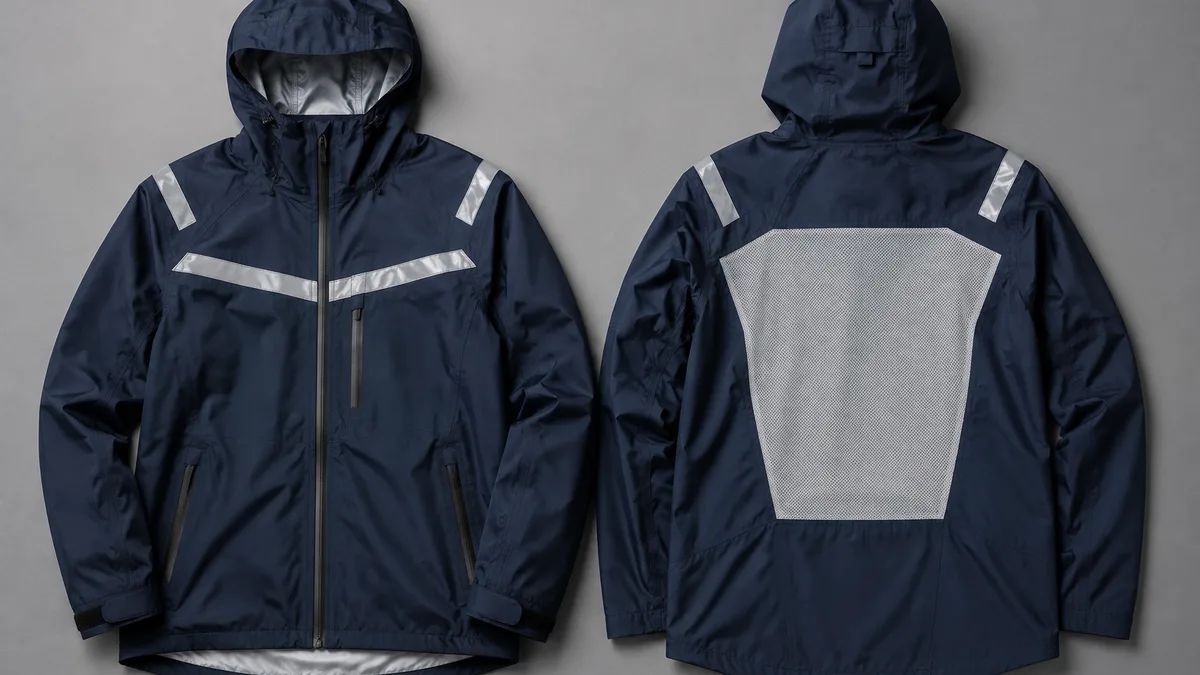
Can a PVC Raincoat Be Customized with Reflective Strips and Logo Printing? What Are the Limitations?

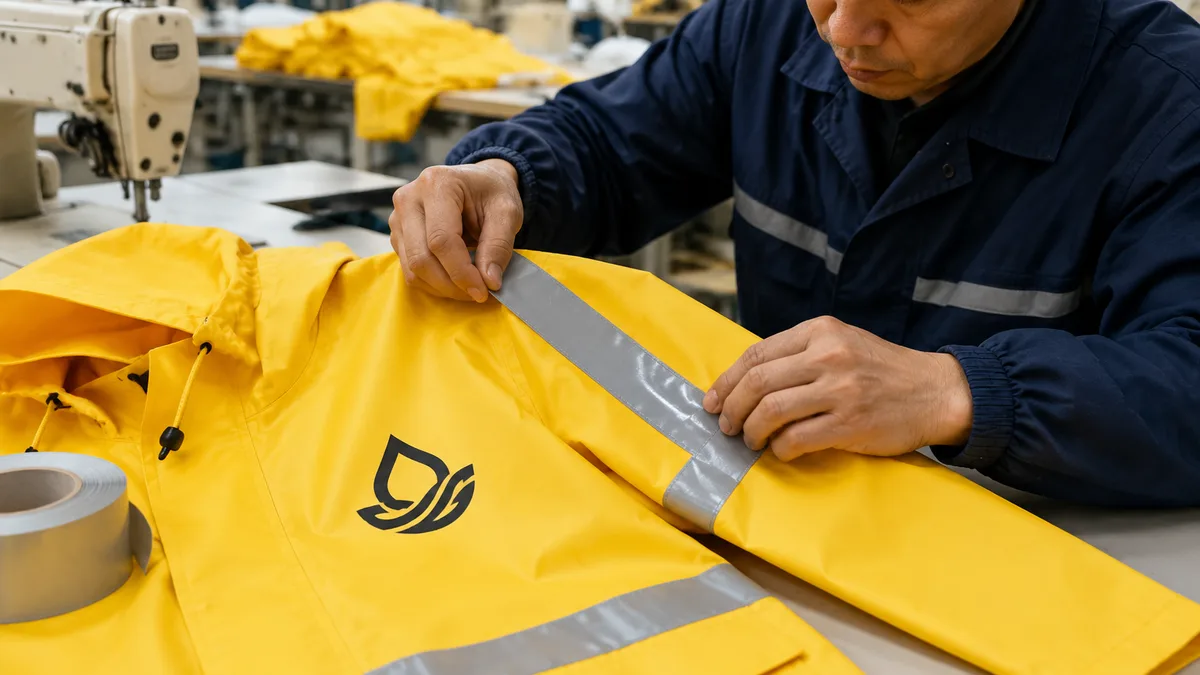
Yes—a PVC raincoat can be customized with reflective strips, logo printing, and custom colorways, but there are process-related limitations such as reflective tape placement, extra drying time for high-contrast logos, and a 500-piece MOQ for custom branding.

August 14, 20267 min
PVC raincoatraincoat customizationreflective tape
Industry Insights

How to Choose Between Disposable PE Rain Ponchos and Reusable EVA Raincoats for Event Programs

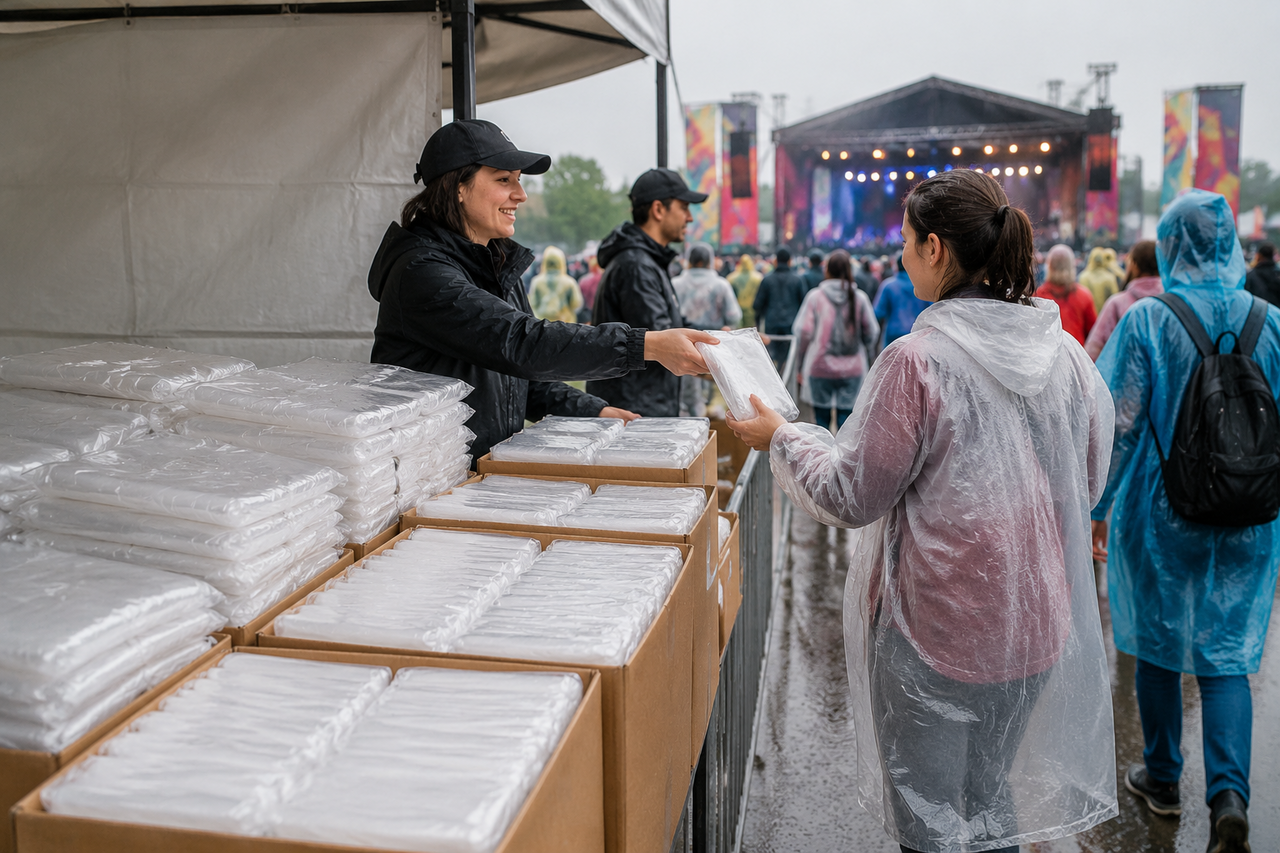
When an event program needs rain gear, the fastest way to decide between disposable PE ponchos and reusable EVA raincoats is to count how many times the same garment will be used. For one-off events — conferences, festivals, emergency relief deployments — choose disposable PE ponchos. For programs that run repeatedly, such as seasonal events, training drills, or crew kits issued dozens of times, choose reusable EVA raincoats. Unit price matters far less than use frequency, and that principle should drive every procurement decision.

August 11, 20269 min
rain gearevent suppliesPE ponchos
Industry Insights

Building a Compliant Hi-Vis Rain Suit Program for European Road Teams

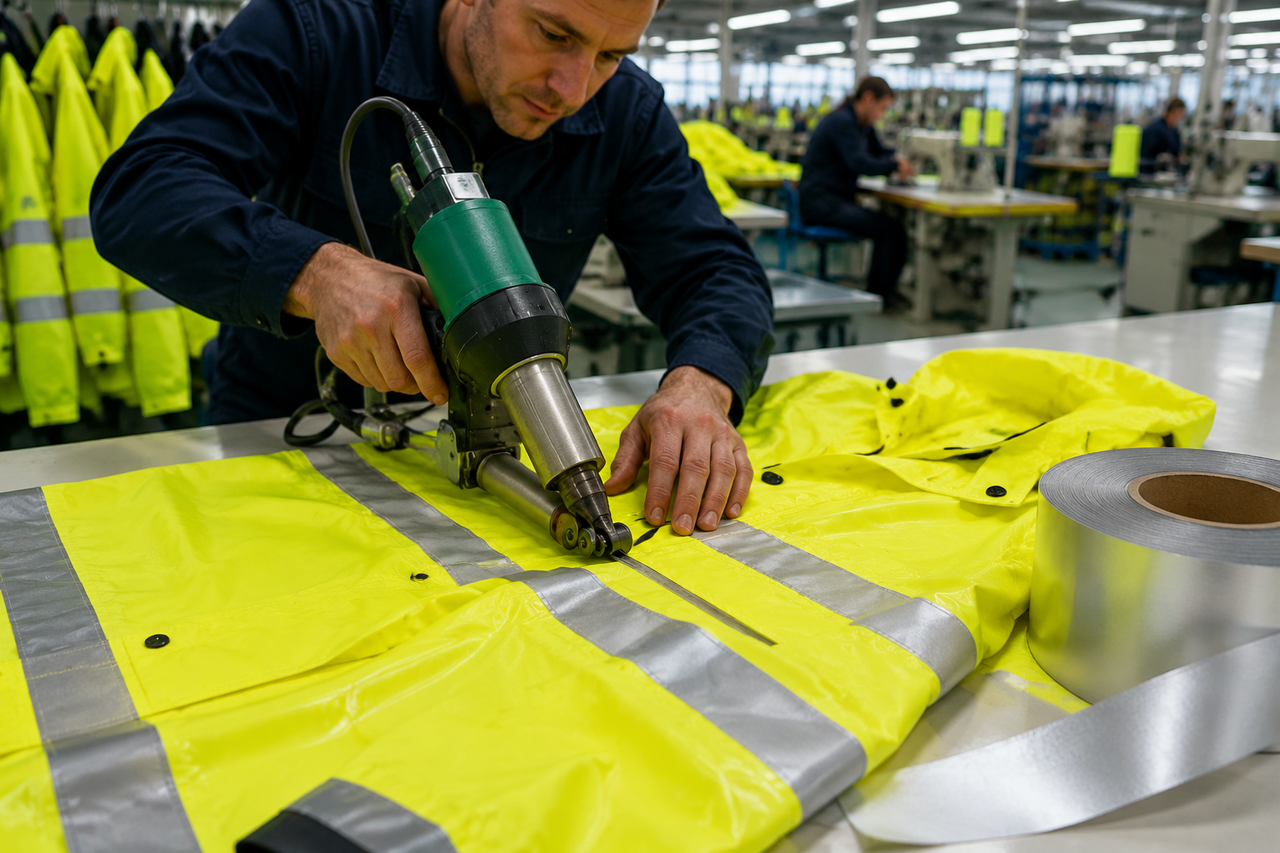
A compliant hi-vis rain suit for European road teams must pass two separate fitness tests. EN ISO 20471 measures visibility in low light; EN 343 measures rain protection. A distributor that wins a municipal contract buys a chain of verified specifications, from fabric certificates to batch-level traceability.

August 8, 202612 min
Hi-vis clothingRainwearPPE Compliance
Industry Insights

Building a Private-Label Rainwear Line with a Custom Rain Gear Manufacturer

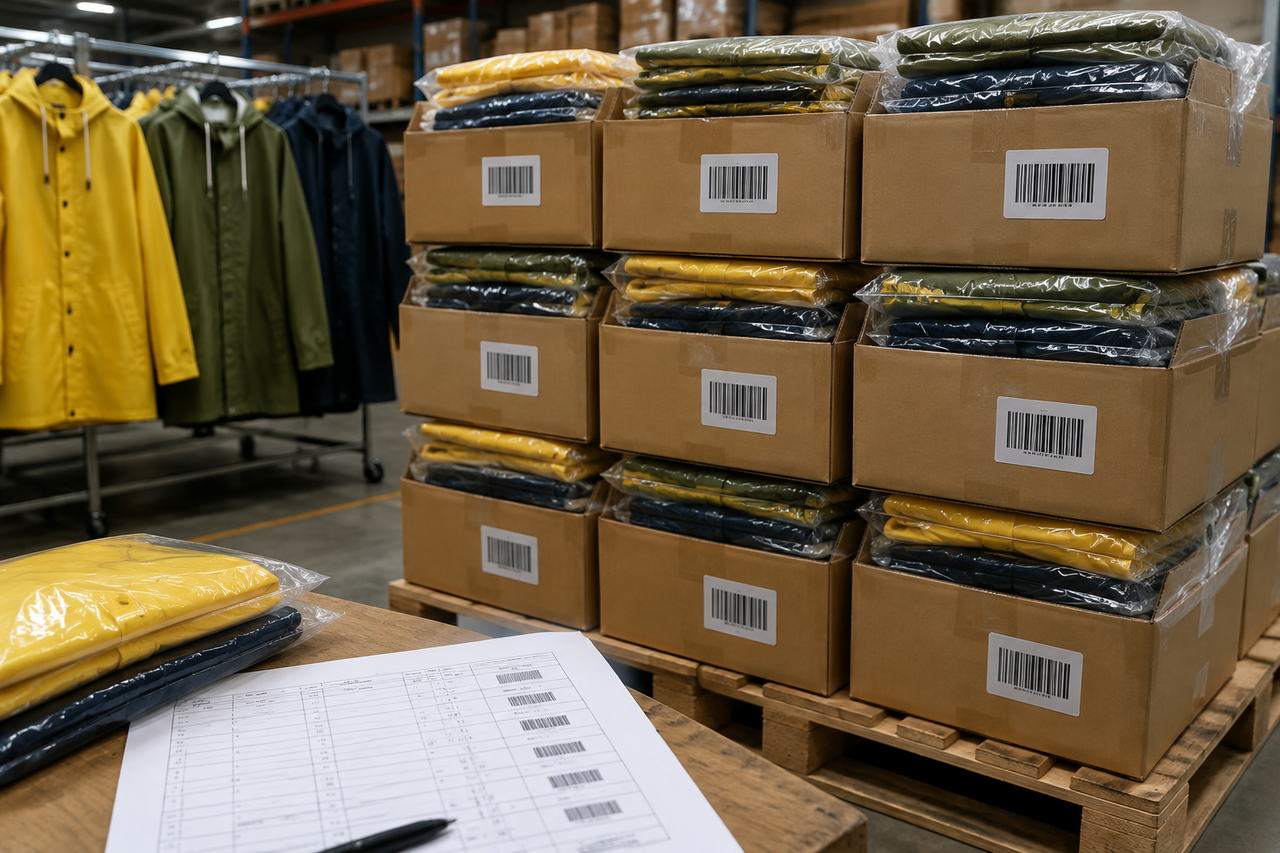
A private-label rainwear line is a supply-chain project before it is a branding project. The decisions that determine success — material selection, seam construction, compliance documentation, packaging, and inspection standards — are all made months before the first logo is printed.

August 6, 202613 min
RainwearPrivate LabelApparel Manufacturing

All articles